A Mostly Familiar Rink with a Few Fresh Skates
- 23 Nov 2026
- 0
Annual sports games often live or die on how carefully they balance familiarity with fresh ideas, and this year’s hockey entry follows that familiar pattern closely. The core action still carries the weight, pace, and tension that fans expect, but many of the surrounding systems feel like they have been carried forward with only modest refinement. That creates a peculiar mix of satisfaction and fatigue: the matches themselves can still be thrilling, while the broader presentation sometimes feels overly recognizable. From the moment the game boots up, it signals that this is less a reinvention and more a careful adjustment of an established formula, with a few meaningful touches aimed at authenticity and a few stubborn rough edges that remain hard to ignore.
A Familiar Place to Lace Up
The overall structure of the game leans heavily on returners from previous years, and that immediately shapes the experience. Franchise, Build a Pro, World of Chel, HUT, Ones, Threes, and tournament play all appear in the expected places, giving veterans very little surprise when they first browse the options. Even the menu presentation feels strikingly unchanged, to the extent that a person who is unfamiliar with the interface might wonder whether an older version had launched by mistake. Such consistency can be comforting for players who want continuity, but it also highlights how little the series has altered its identity. The result is a front-end experience that is functional and orderly, yet almost stubbornly committed to looking like last year with a fresh coat of polish.
On-Ice Movement That Still Feels Alive
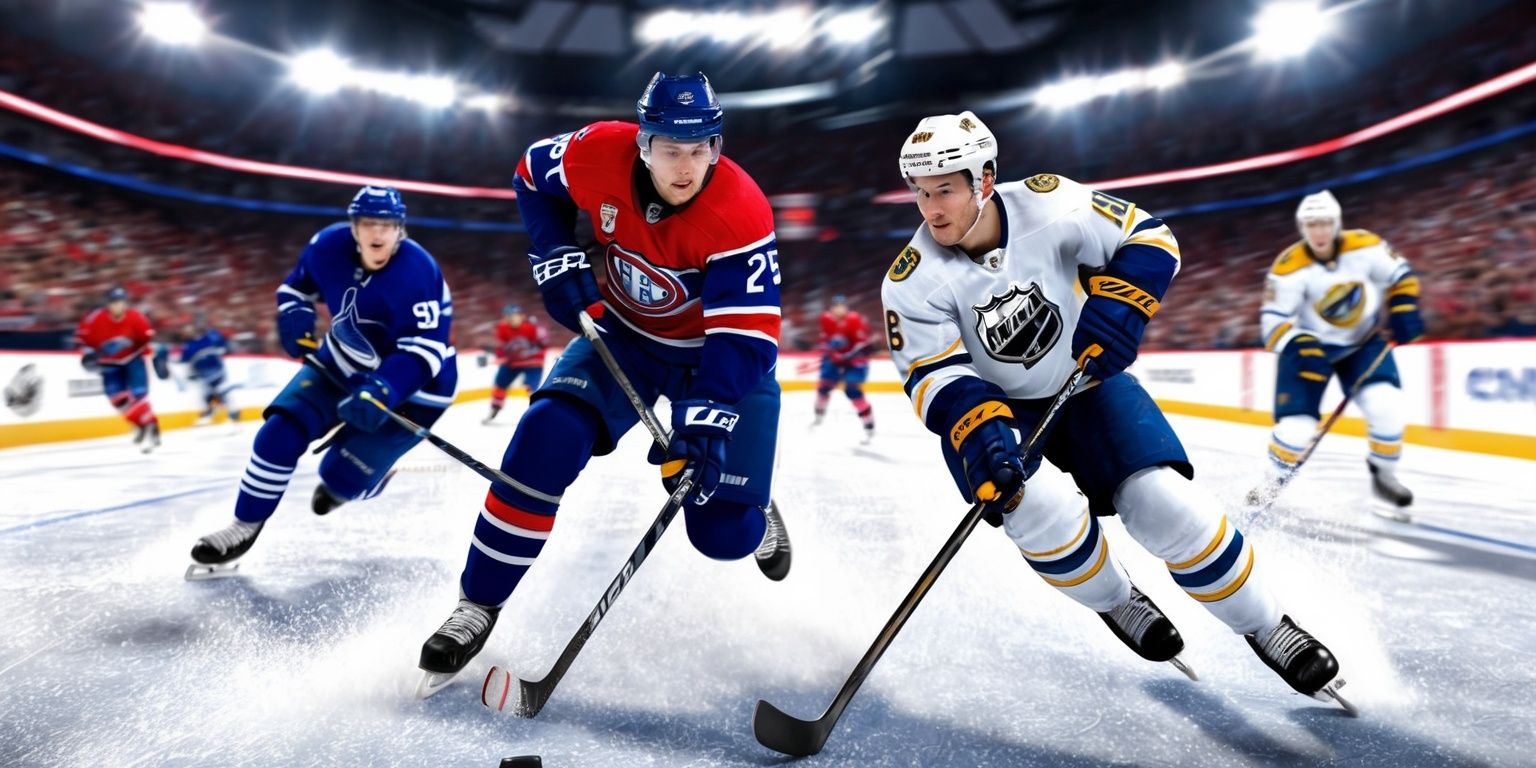
When the puck drops, the game continues to show why the series remains popular. The skating has real energy, the passing lanes matter, and the satisfaction of building a smart sequence down the ice is still one of the strongest reasons to play. There is a physical confidence to the action that makes a clean setup or well-timed finish feel earned, and the speed of the athletes gives each possession a strong sense of momentum. Even though the formula has existed for many years, yet it continues to generate exciting moments because the basic hockey loop is strong. That stability gives the game a dependable rhythm, especially for players who care more about the quality of the sport simulation than about dramatic reinvention.
New Strategic Layers Through Playbooks
A particularly significant new feature is the introduction of team-specific playbooks, which gives the tactical side of the game a bit more personality. The league’s real-world clubs have distinct tendencies, and those tendencies are now reflected more deliberately in how AI teammates behave. Players can keep the default setup or switch to a system that better matches their personal preferences, which is particularly valuable for people who want their chosen club to play with more aggression or patience in certain zones. This creates a more thoughtful connection between squad selection and in-game behavior. It also encourages experimentation, since adjusting a team’s approach can subtly transform how space opens up, how structure develops, and how scoring chances emerge.
Modes That Return Without Many Surprises
The major game types are largely the same as in previous entries, and that lack of expansion is impossible to ignore. There are no major newcomers to drive the package forward, so the offering depends heavily on long-running pillars that series fans already know well. Franchise remains the broad management option, Build a Pro focuses on the life of a single skater, World of Chel supports online competition, and HUT continues to anchor the card-collection side of the experience. Smaller variations like Ones and Threes still serve as quicker, more arcade-like alternatives. The selection is still broad enough to keep different kinds of players busy, but the absence of fresher ideas means the overall package leans on comfort rather than discovery.
Presentation That Mixes Authenticity and Stagnation
Visually, the game is a curious blend of strong environmental detail and awkward character work. The rinks themselves look excellent, with clean surfaces, convincing lighting, and the kind of ice wear that builds naturally as a game progresses. Snow gathers in the right places, the boards feel appropriately busy, and small scuffs around the glass contribute to a more lived-in atmosphere. At the same time, players and spectators do not always receive the same level of attention. Some faces and body models appear dated, and the crowds often move with a stiffness that undercuts the realism the arenas are trying to create. The contrast is unusual: the stage often looks great, but the people inside it sometimes feel left behind.
Arenas That Carry Real-World Identity
One area where the game makes a noticeable effort is in recreating the distinctive character of specific arenas. Buildings such as Key Bank Center, Benchmark International Arena, and Nationwide Arena feel more closely tied to their real-world versions than they have in the past, thanks to recognizable details and better venue-specific touches. Landmarks visible around the rink help each place feel more grounded, while scoreboard presentations and celebratory graphics add to the illusion that you are stepping into a real hockey environment rather than a generic template. For players who follow the sport closely, these changes matter because they reinforce the culture around the match itself. The arenas are not just backgrounds; they contribute to the identity of each home team and give the whole package a stronger sense of place.
Music With Hockey Memory Attached
The soundtrack takes a deliberate turn toward songs that already carry hockey associations, and that choice gives the menus a more familiar identity. Rather than focusing mainly on newer artists, the selection leans into tracks that longtime fans may already associate with broadcasts, arena hype, or memorable moments from past seasons. Songs like Bush’s “Machinehead” and Blur’s “Song 2” fit that purpose especially well, since they evoke the emotional language of hockey without trying too hard to be trendy. What makes the feature more interesting is the added context in the menus, where songs are no longer presented as simple titles and artists alone. Team logos and small write-ups explain why certain tracks matter, turning the music list into a subtle archive of hockey culture.
The Career Path Still Needs More Life
Build a Pro continues to offer one of the most personal ways to experience the sport, since it places the player in the role of a single athlete rather than constantly shifting control across the ice. That narrow focus can make each shift feel more intense, and it gives individual decisions more meaning. However, the mode’s structure seems almost untouched from the previous year, which limits its impact. Press conferences still use the same repetitive questions, and the response system continues to track reputation in ways that feel more mechanical than dramatic. The format remains serviceable, but its repetition is obvious, especially for players who have already spent time with prior versions and are hoping for meaningful evolution rather than cosmetic continuity.
Commentary That Repeats Its Own Rhythm
The audio presentation remains one of the weakest parts of the experience because the commentary too often sounds detached from the specific game being played. The broadcast team leans on the same phrases repeatedly, even when there are easy opportunities to make the remarks feel more customized. A matchup involving a team with a particularly fitting name can still pass by without any clever nod to that context, which makes the coverage feel generic instead of responsive. Beyond that, many of the lines are reused so often that they begin to flatten the energy of the match. The sound of the game is competent enough to carry action, but it rarely rises above routine, and that limits the sense of broadcast drama.
News Updates That Miss the Moment
Between games, the career mode presents headlines that are meant to comment on performance, but the writing often feels disconnected from what actually happened on the ice. A team can win comfortably and still be described in oddly negative terms if a particular player did not post the right numbers, which makes the reaction seem misplaced. The images attached to those headlines can be just as strangely timed, showing disappointment even when the broader team outcome was positive. This kind of reporting should help build a sense of narrative momentum, but instead it often feels automatic and repetitive. The problem is not just that the headlines are limited; it is that they sometimes fail to reflect the broader context of the game in a believable way.
Small Breaks in Immersion
Several moments across the experience reveal how thin the simulation can feel when certain systems do not line up. In one sequence, a player was urged toward the bench late in the third period but had no natural chance to change, and after a brief stoppage the game placed that character on the bench for the next faceoff anyway. That sort of decision clashes with how a real hockey shift would unfold and creates a visible gap between presentation and logic. Similar issues appear in crowd behavior, where the arena atmosphere sometimes takes too long to react to a lopsided score. Fans may still be cheering and dancing while the home team faces a difficult deficit, and that delay weakens the sense that the building is responding naturally to the action on the ice.
Customization Options That Shape the Flow
A key advantage of the package is that it offers enough control to let different players shape the sport to their liking. The learning curve is accessible without being shallow, and the many tunable systems let users balance realism, pace, and challenge in a way that suits their preferred style. Team playbooks deepen that customization further by encouraging thoughtful choices before a puck is even dropped. Players who like experimentation can shift between systems and compare how a roster behaves under different setups, while others may prefer to simply use a familiar configuration and focus on execution. That flexibility matters because it preserves the long-running appeal of the series while giving tactical-minded players another reason to keep testing combinations.
Where the Game Feels Most Alive
The strongest parts of the experience are still the moments that mirror the excitement of actual hockey. A sharp pass that splits defenders, a quick transition up ice, or a well-earned finishing chance can still produce the rush that fans expect from the sport. Even when the game’s presentation stumbles, the core sensation of moving quickly, reading pressure, and creating scoring opportunities remains compelling. The best sequences often come from the interaction between timing and awareness, where a small decision at center ice can lead to a dangerous look a few seconds later. That basic thrill remains intact, and it is the reason the series continues to have value even when many surrounding systems feel tired or underdeveloped.