Digital Mastery: Crafting Strategy and Survival in Death Stranding 2
- 23 Dec 2025
- 0
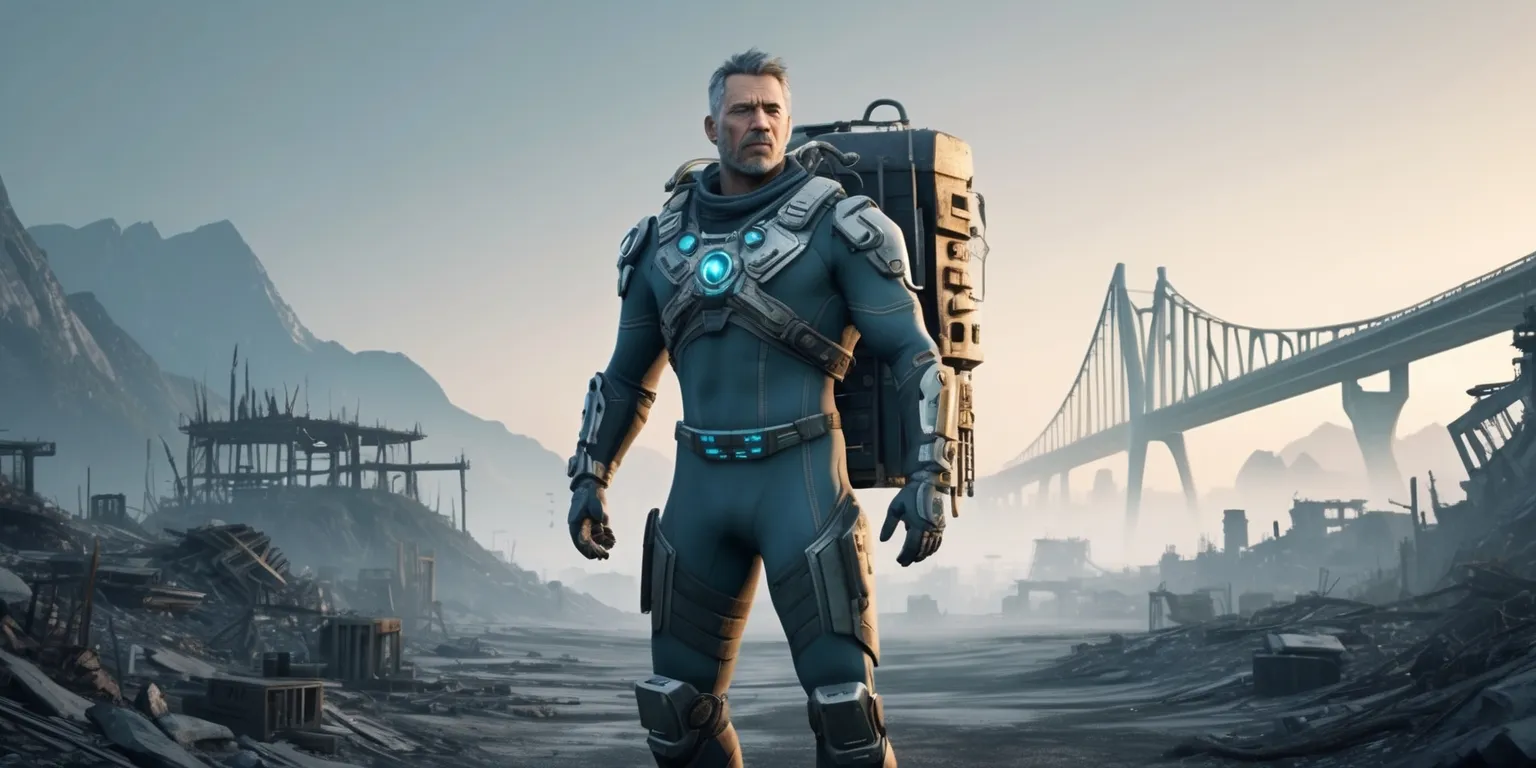
The world of Death Stranding 2 invites players into an immersive realm where creating structures is not just about construction but a vital aspect of survival and strategic planning. In this intricate digital landscape, the ability to build, upgrade, and dismantle various installations enhances the journey, offering safety, alternative paths, and innovative ways to interact with the environment and adversaries. Players are challenged to manage resources, harness unique networks, and optimize available bandwidth while navigating a universe where every structure contributes to progress and tactical advantage. The following sections explore different facets of this mechanic, delving into gameplay intricacies, design intelligence, user interfaces, and the broader context of spatial planning within the game world.
Foundations of Digital Construction
Central to Death Stranding 2 lies the ability to fabricate essential structures that significantly alter the play experience. Players begin their journey by utilizing a specialized item known as the PCC, which is fabricated at a terminal using specific materials such as resins and metals. This element of construction creates a platform where safe havens are established, delivery routes are secured, and players are able to overcome environmental challenges. The design philosophy behind these structures integrates functionality with the aesthetic of a dystopian, yet futuristic world. Every build decision must account for available resources, and the interplay between digital structures and natural terrain creates a fascinating blend of art and strategy. This system stresses the importance of planning and resource management, inviting players to experiment with placement and design.
Gathering Resources and Preparation

Before a structure takes form, players must engage in resource management with careful planning and foresight. Acquiring the vital components—resins and metals—becomes an essential preparation step that defines future possibilities. The act of fabricating a PCC item symbolizes the player’s first direct encounter with the creative mechanics embedded in the game. Obtaining the necessary materials not only reinforces the importance of exploration and delivery missions but also emphasizes the need for establishing a reliable supply chain in the game’s universe. Furthermore, crafting these items introduces players to the nuanced processes that will be repeatedly utilized throughout the journey. With careful stockpiling and strategic collection, an individual solidifies their readiness to interact with the game’s multi-layered construction aspects, ensuring that every new attempt to build a shelter or safe haven is met with success.
Initiating Structural Deployments in the Field
Once equipped with the PCC and sufficient resources, players are urged to venture into the field where the planning phase transitions to active deployment. The in-game mechanics allow the user to access a specialized menu by holding down a directional button, which reveals a wealth of options for building structures. In this interactive scenario, players face the task of choosing the ideal installation, such as a watchtower, which serves both as a signal beacon and a vantage point. The dynamic system requires that the player be connected to the Chiral Network, ensuring that every action has immediate consequences on gameplay and resource allocation. Critical decisions are based on visual cues, where a clear hologram outline signals readiness for construction. This interface design, blending both tactile engagement and visually driven feedback, emphasizes the game’s commitment to merging intuition with strategic thinking.
Understanding and Managing Chiral Bandwidth
A defining element in the construction process is the presence of Chiral Bandwidth, a critical component that acts as an energy currency within the game world. Each structure demands a specific amount of this bandwidth, and players must gauge their usage carefully to avoid interference with network capacity. The holographic menu presents clear indications of the resource cost before a structure is finalized, prompting players to reflect on their strategic priorities. As the network provides life to every digital installation, the balance between available bandwidth and desired infrastructure plays a pivotal role in shaping gameplay. This system encourages a mindful approach, as decisions in resource allocation resonate with both immediate gameplay challenges and long-term strategic planning. Players quickly learn that every build has a cost, making each interaction a calculated endeavor in a finely tuned digital ecosystem.
Advancement through Upgrading Your Installations
The adventure doesn't conclude merely after a… structure has been built; rather, it evolves through a nuanced process of upgrades that refine functionality and enhance protection. Upgrading structures in Death Stranding 2 requires players to return to their existing creations and interact with a dedicated terminal interface. This facet of the game allows for the contribution of additional materials and resources, which in turn unlock new capabilities and improvements. The upgrade system not only bolsters a structure’s defensive and practical properties but also signals progress in the player's adaptation to a challenging environment. Each upgrade transforms the initial basic installation into a multi-functional asset, revealing intricate details of in-game design and player ingenuity. This progression-based mechanic reinforces the idea that innovation is a constant, rewarding players for both persistence and strategic resource management.
Interactive Terminals and In-Game Navigation
Across the digital expanse of Death Stranding 2, interactive terminals play a crucial role in both building and modifying constructed assets. These terminals serve as user-friendly hubs where players can manage upgrades, contribute additional resources, and even dismantle structures that no longer serve tactical purposes. Their integration into the game interface ensures that every actionable item is accompanied by useful guidance for players, effectively merging form with function. The terminals are designed with sleek, futuristic motifs that visually Ensure consistency with the game's central narrative elements, creating an aesthetically cohesive experience. Through these interactions, players are given an unprecedented level of control over their environment, enabling a dynamic interplay between static construction and evolving game elements. This design decision reinforces the interconnectivity of every system within the game’s rich pagination.
Planning Effective Strategic Placement
In Death Stranding 2, the placement of structures is as significant as the act of building them. Players must exercise a keen sense of spatial awareness, as the optimal location for any given structure can greatly influence both accessibility and tactical advantage. For example, positioning a watchtower in a clear field can maximize its sensory range and allow for early detection of obstacles or adversaries. The process involves using the in-game directional controls to determine the exact spot where the hologram overlay fits perfectly within the terrain. Visual feedback, given through color changes in the hologram, advises if the selected area is free from obstructions, ensuring that each installation is both effective and seamlessly integrated into the natural surroundings. This meticulous attention to placement underlines the marriage of aesthetic design with functional gameplay, reflecting the thoughtful nuances embedded in every mechanic.
Enhanced Gameplay Through Tactical Structure Interaction
Beyond mere construction, the game introduces an added layer of tactical depth by enabling players to interact extensively with their built structures. Whether it is through upgrading or adapting existing installations to better serve current mission requirements, Death Stranding 2 ensures that structures remain dynamic. Players experience a rich interplay between static construction and real-time strategy, as each decision to contribute additional materials or to reposition an asset can affect subsequent encounters. The game’s design encourages active engagement with the environment, prompting individuals to revise their strategies on the fly and respond to shifting scenarios. By embedding these interactive elements into the core gameplay mechanics, the game not only elevates the player’s agency but also transforms the world into a responsive canvas that adapts to every creative decision. This intricate balance underscores the importance of planning and resourcefulness throughout every phase of the game.
Balancing Artistic Design and Functionality
A distinctive aspect of constructing structures in Death Stranding 2 is the seamless integration of artistic design and technical functionality. The visual appeal of each installation is crafted to match the game’s overarching atmosphere—a blend of dystopian decay and futuristic innovation. The interplay between shading, form, and interactive elements not only creates an immersive aesthetic but also enhances usability. Every structure has been engineered to capture the eye while also… highly utilitarian, serving as a protective haven, strategic watchpoint, or a resource hub. This thoughtful design process encourages players to not only appreciate the beauty of the technological constructs but also their practical uses. The challenge lies in selecting the right moments and locations for deployment, as the beauty of the designs is intricately linked to their role in ensuring continuity and progression within the gameplay narrative.
Resource Recovery and Structure Dismantling
Not every structure remains a permanent fixture within Death Stranding 2, as the game provides a mechanism for dismantling installations that no longer suit strategic plans. This aspect is equally engaging as the construction process, allowing players to interact with their digital assets even when they need to reclaim resources. By approaching an existing structure and engaging its terminal, players can choose to dismantle it, thereby freeing up valuable Chiral Bandwidth and other stored resources for future projects. The dismantling process offers a chance for reflection, as players assess the utility of each installation and adapt their strategies accordingly. It is carefully designed to ensure that every removal is a strategic decision rather than a hasty reaction, underscoring the importance of thoughtful resource management and tactical foresight in this immersive digital world.
Integrating Field Challenges with Construction Tactics
Within Death Stranding 2, engaging in building and managing structures is inherently intertwined with the myriad challenges and environmental puzzles that characterize the game. Players are often thrust into scenarios where weather conditions, hostile terrain, or unforeseen obstacles can disrupt their carefully planned routes. The robustness of each structure, along with its strategic placement, becomes a crucial factor in mitigating these adversities. For example, a well-crafted watchtower might provide crucial insight into approaching difficulties, while a bridge or shelter offers a temporary respite during tumultuous weather events. This integration of construction tactics with unpredictable field challenges Guarantees that each gameplay session remains captivating and fun operatively demanding. Encouraging players to evaluate and re-assess their resource allocation continuously, the game underlines the essence of survival in a dynamic, ever-changing digital realm.